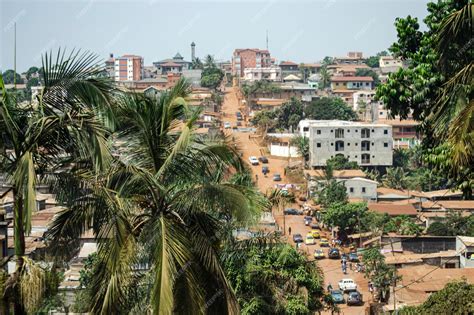
Cameroon: Rights Crisis & Infrastructure Ambitions
Cameroon at a Crossroads: Human Rights Concerns Meet Development Ambitions
Cameroon finds itself navigating a complex intersection of social challenges and ambitious development plans as recent events highlight both vulnerabilities and progress in the Central African nation. While the government accelerates infrastructure projects to spur economic growth, disturbing incidents underscore ongoing human rights issues facing marginalized communities.
On November 23, 2025, ten LGBTI youth were arrested in Bafoussam, western Cameroon, as they left a friend's birthday celebration. Witnesses reported that unidentified "men in uniform" targeted the group based on their clothing and appearance, demanding money for their release. After frantic negotiations, human rights organization Transamical secured their freedom through payment of 50,000 FCFA (approximately $88).
"This incident illustrates a recurring practice in Cameroon: arbitrary arrests and extortion targeting LGBTI people, often carried out by individuals posing as law enforcement. These practices reinforce the climate of fear and insecurity in which LGBTI communities live, particularly in provincial towns."
Human rights observers
The case highlights the precarious situation of Cameroon's LGBTI community, which frequently faces discrimination and violence. Transamical's intervention, while successful in this instance, emphasizes the critical role local organizations play in protecting vulnerable citizens in a hostile environment.

2026 Budget: Infrastructure Acceleration and Youth Focus
Amid these social challenges, Cameroon's government has outlined ambitious plans for 2026, emphasizing infrastructure development and youth empowerment. Prime Minister Joseph Dion Ngute presented the Economic, Financial, Social and Cultural Programme to the National Assembly on November 26, 2025, aligning it with President Paul Biya's vision for "a united, stable and prosperous Cameroon."
The budget prioritizes several key areas:
- Reopening PhD programs in state universities
- Relaunching teacher training college entrance exams
- Creating a national spatial plan to boost youth employment
- Increasing investment in labor-intensive projects
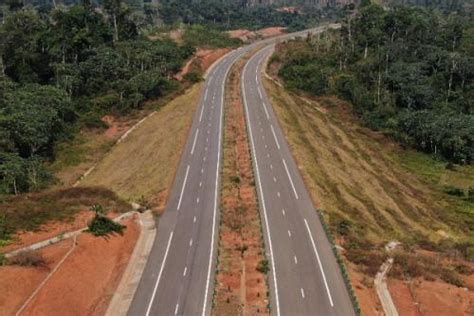
Infrastructure development forms the cornerstone of the 2026 agenda. The government plans to rehabilitate 335 kilometers of asphalt roads and over 1,500 meters of engineering structures. Major new projects include:
- Ebolowa–Kribi road (179 km)
- Bina–Mokranz–Andi road (143 km)
- Fedak–Babji–Beka–Butu–Lewa–Bikop road (145 km)
- Continued Yaounde-Douala motorway phase two
Additionally, Cameroon will host the 14th World Trade Organisation Ministerial Conference in March 2026, aiming to elevate its global standing.
Balancing Progress and Protection
Cameroon's dual narrative presents a nation striving for economic advancement while grappling with persistent human rights challenges. The contrast between the government's infrastructure ambitions and the treatment of LGBTI citizens raises critical questions about inclusive development and social justice.
As the country moves forward, the success of these initiatives will depend not only on execution but also on ensuring that progress benefits all citizens equally. The coming years will test Cameroon's ability to reconcile its development goals with its commitments to human rights and social inclusion.
Share this article
Alex Green
Lifestyle blogger covering modern living, personal growth, and cultural trends.