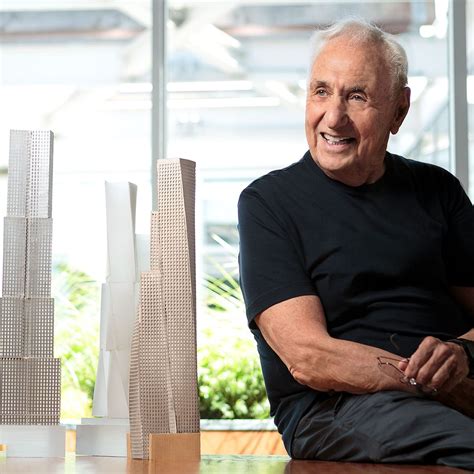
Frank Gehry, Visionary Architect, Dies at 96
A Legacy Deconstructed: Remembering Frank Gehry
Frank Gehry, the revolutionary architect who transformed skylines with his deconstructivist masterpieces, has died at his Santa Monica home at age 96 following a brief respiratory illness. Gehry Partners confirmed the passing of the Toronto-born icon who redefined modern architecture with a daring, sculptural language that challenged conventions and captivated the world.
Born Frank Owen Goldberg in 1929, Gehry began his journey far from the glittering structures he'd later create. After studying architecture at USC and urban planning at Harvard, he established his Los Angeles practice in 1962. His career ignited in 1978 with the radical transformation of his Santa Monica bungalow—a cladding of cinder blocks, plywood, and chain-link fencing that became an unlikely manifesto against architectural orthodoxy. "We bought this tiny little bungalow... and for like 50 grand, I built a house around it," he once recalled. "And a few people got excited about it."
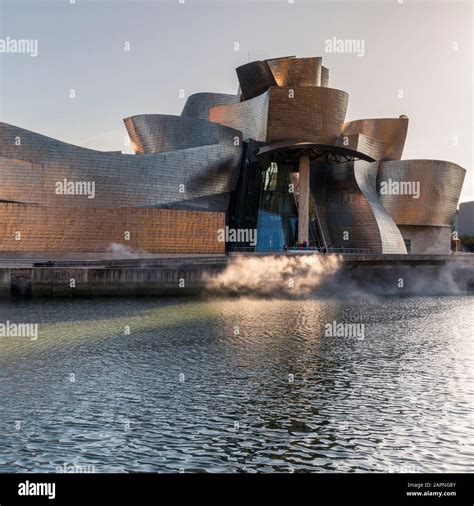
The Bilbao Effect: Architecture as Global Phenomenon
Gehry's international acclaim arrived late but explosively. At 66, he secured the commission for the Guggenheim Museum Bilbao, completed in 1997. The titanium-clad structure, described by Vanity Fair as "a gargantuan bouquet of writhing silver fish," became an overnight sensation. Philip Johnson, the "godfather of American modern architecture," reportedly wept in its atrium, declaring Gehry "the greatest architect we have today." The building sparked the "Bilbao effect," a phenomenon where monumental architecture became a catalyst for urban renewal, attracting tourists and revitalizing declining cities.
Iconic Masterpieces: A Global Portfolio
Gehry's portfolio reads like a greatest hits list of contemporary architecture:
- The Walt Disney Concert Hall (2003): Los Angeles's shimmering stainless steel concert hall that became a cultural heartland.
- Museum of Pop Culture (2000): Seattle's undulating structure inspired by a shattered guitar.
- Fondation Louis Vuitton (2014): Paris's cloud-like glass vessel in the Bois de Boulogne.
- Dancing House (Prague): The "Ginger and Fred" building with its undulating silhouette.
These buildings, 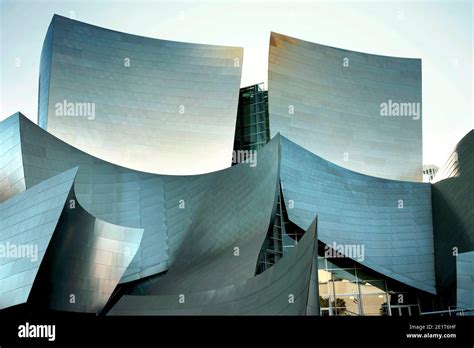
Design Philosophy: Beyond "Starchitect"
Despite his fame, Gehry rejected the "starchitect" label. "I hate that," he insisted to the Financial Times. His aesthetic emerged as a rebellion against Postmodernism's historical pastiche: "If you have to go backward, why not go back 300 million years before man, to fish?" His signature fish motif conveyed motion even in stillness, reflecting his belief that architecture should evoke emotion and energy.
"I love working. I love working things out. I love the client interaction... and bring it in under budget, which no one believes, but it's true."
Enduring Legacy
Gehry's accolades included the Pritzker Architecture Prize (1989) and the Presidential Medal of Freedom (2016). He remained active into his 90s, with projects like New York's rippling 76-story 8 Spruce Street tower. His influence extended beyond buildings—designing everything from furniture to a line for Tiffany & Co.—and inspired generations to see architecture as art. As The Guardian noted, he was "the most recognizable American architect since Frank Lloyd Wright" and "the icon of what would be called iconic architecture." [IMAGE_3]
Share this article
Alex Green
Lifestyle blogger covering modern living, personal growth, and cultural trends.