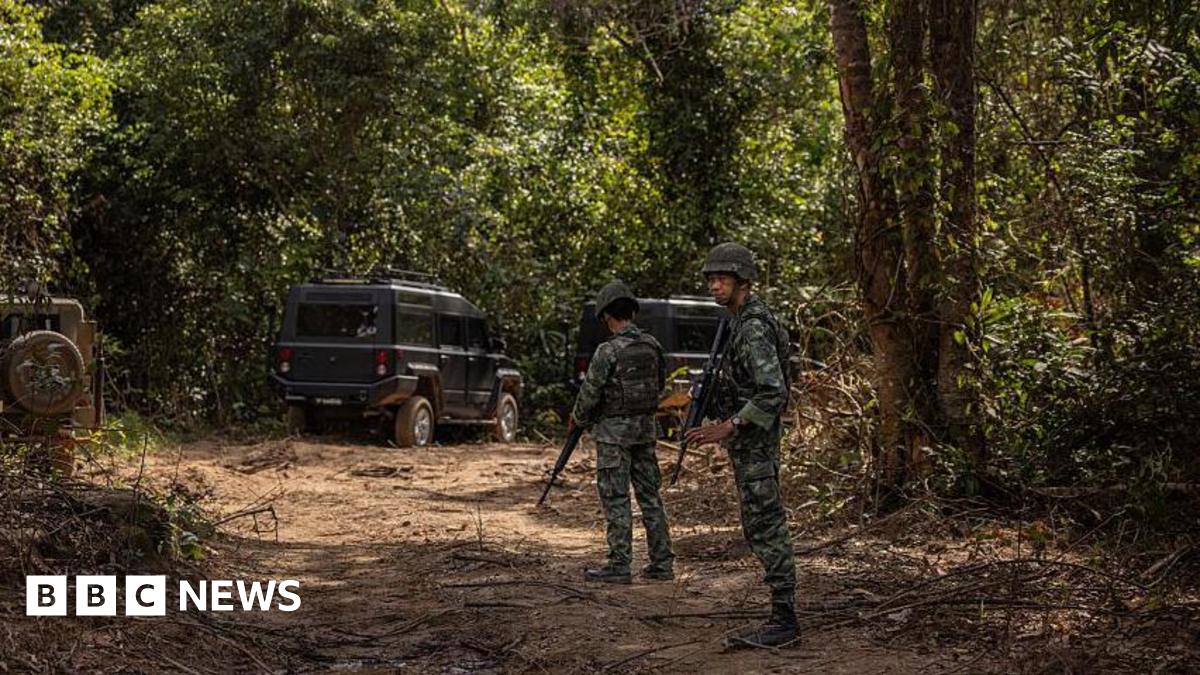
Thailand-Cambodia Border Clashes Escalate
Thailand-Cambodia Border Tensions Flare Amid Collapse of Trump-Brokered Peace Deal
In a dramatic escalation of long-standing tensions, Thailand has launched airstrikes against Cambodia along their disputed border, killing a Thai soldier and wounding several others. The violence comes just weeks after a U.S.-brokered ceasefire agreement signed in October 2025 is now hanging by a thread, threatening to unravel months of diplomatic efforts.
The renewed clashes began on December 7, 2025, when both nations accused each other of initiating attacks along the volatile border near the Chong An Ma Pass. Thai military spokesperson Maj. Gen. Winthai Suvaree confirmed that airstrikes targeted Cambodian military infrastructure in retaliation for an earlier mortar attack that killed a Thai soldier at Anupong Base. "The target was at Cambodia’s arms supporting positions... because those targets had used artilleries and mortar launchers to attack the Thai side," Suvaree stated, noting seven additional injuries.
Cambodia’s Ministry of National Defense denied the allegations, calling them "false information" and claiming it did not retaliate during the assaults. "Cambodia did not retaliate at all during the two assaults and continues to monitor the situation vigilantly," the statement read.
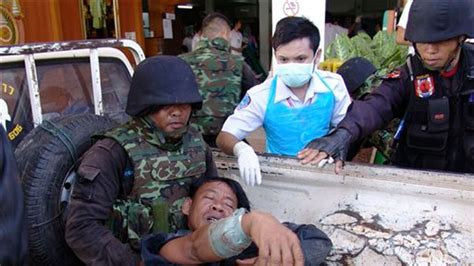
The conflict underscores the fragility of a ceasefire agreement that was hailed as a major diplomatic victory by U.S. President Donald Trump. Signed in October 2025 in Kuala Lumpur, the deal aimed to end a deadly five-day border war in July that claimed at least 48 lives and displaced 300,000 civilians. However, tensions resurfaced in November after a landmine explosion injured Thai soldiers, prompting Thailand to suspend progress on the agreement.
Humanitarian Crisis and Regional Alarm
The latest violence has triggered a humanitarian crisis, with Thailand reporting evacuations of approximately 35,000 civilians from border towns across four provinces. Displaced residents are now sheltering in temporary facilities, mirroring the mass exodus seen during the July conflict. Cambodia, meanwhile, accused Thailand of "provocative actions for many days" and claimed Thai forces attacked Cambodian troops at 5:04 a.m. local time.
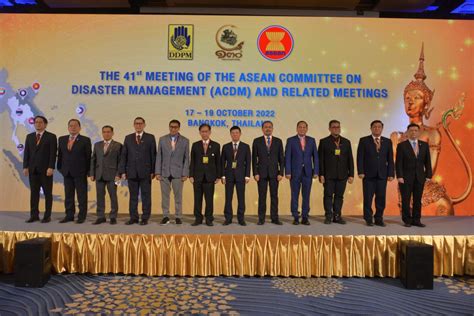
Malaysian Prime Minister Anwar Ibrahim, who co-brokered the October deal, expressed deep concern, warning that the fighting risks "unravelling the careful work that has gone into stabilising relations." As the current chair of ASEAN, he urged both sides to "exercise maximum restraint" and use existing conflict-resolution mechanisms.
Former Cambodian Prime Minister Hun Sen, still highly influential, called for restraint in a Facebook post, urging commanders not to fall into Thailand's trap of retaliation. "The red line for responding has already been set," he emphasized, highlighting the delicate balance required to prevent further escalation.
Historical Disputes and Uncertain Future
The Thailand-Cambodia border has been a flashpoint for decades, rooted in competing claims over the Preah Vihear temple area and demarcation disputes. Previous clashes in 2011 and July 2025 underscored the volatility of this region. Despite ASEAN’s role in regional diplomacy, the recent violence exposes the limits of external intervention in deeply entrenched sovereignty issues.
As ASEAN members monitor the situation, the international community watches closely. The collapse of Trump’s peace deal not only jeopardizes stability but also challenges the credibility of diplomatic frameworks in Southeast Asia. With both sides trading blame and civilian evacuations ongoing, the path to de-escalation remains uncertain.
Share this article
Alex Green
Lifestyle blogger covering modern living, personal growth, and cultural trends.